Why start here 广州
Guangzhou sits in the same Cantonese cultural region as Hong Kong. If Hong Kong is the version of China you already have a picture of, this is where that picture came from — the food, the tea houses, the arcaded streets, the language underneath it all.
That makes it an unusually gentle first stop. You arrive with a reference point rather than none. It's a major international hub, so there's a good chance you're passing through anyway, and it's easy to move around once you're in it.
Beijing and Shanghai are the more obvious first choices. This is the one that asks least of you on day one.
Arriving 抵达
Take Line 3 from the airport — 40 minutes, about US$2
Baiyun Airport has a metro station at each terminal: Airport South for T1, Airport North for T2. Line 3 runs from either into the city centre at Tiyu Xilu in around 40 minutes. That's the answer for almost everyone arriving during the day.
The last train leaves the airport around 23:30. After that, take a car — DiDi is the more comfortable option and runs roughly US$13 into the centre, varying with destination and time of night.
Set up the transit QR code before you fly
You don't buy a ticket. You need a transit QR code, and it isn't the same thing as having Alipay installed. Open Alipay, search "Guangzhou Subway QR Code", apply for it once, then show it at the gate going in and out.
It requires a payment method already linked to your Alipay account. Do that at home. The arrivals hall at midnight is the worst possible place to find out your card won't bind.
Then mostly forget about transport
The network reaches essentially all of the city. Every station is signed in Chinese and English, and arrival announcements run in Mandarin, Cantonese and English. Once you're on it, you rarely need to think about getting anywhere again.
When to come 时候
Mid-October to the end of the year
Guangzhou's summer is long and heavy. From mid-October the humidity breaks and the city turns genuinely pleasant — cool, dry, comfortable to walk in all day. That window runs through to the end of December.
One week to avoid inside it: the first week of October. National Day is the largest domestic travel week of the Chinese year and every public site in the city is at capacity. Come a week or two later for the same weather and a fraction of the crowds.
Tea houses 饮茶
Two ways in: a name, or a queue
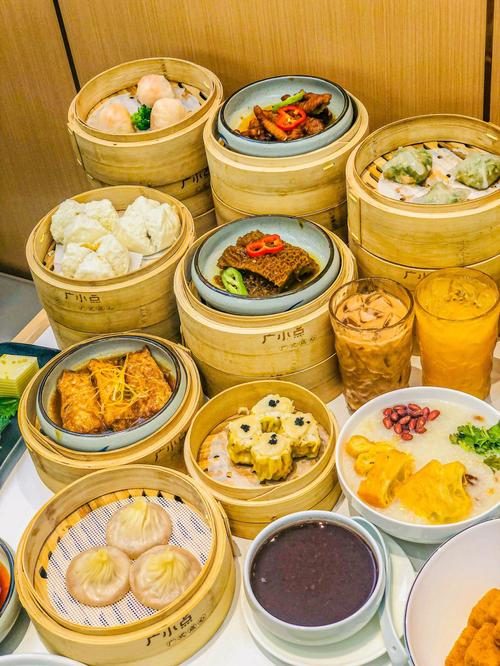
If you want certainty, go to one of the old houses. Guangzhou Restaurant — the original branch on Wenchang South Road — is the best known. Beiyuan, Nanyuan and Panxi are the city's three garden restaurants, where you're eating among courtyards and pavilions rather than in a dining room. All four have bilingual menus, so ordering is not the obstacle visitors expect it to be.
If you'd rather find your own, use the signal locals use: walk past in the morning and look at the age of the queue. A line of people in their sixties and seventies means you've found one. That generation has eaten dim sum every week of their lives, and they are not queueing out of curiosity.
How it actually works
Hours. Tea service generally runs 8am to 3pm. It isn't only breakfast — a late-morning arrival is completely normal.
No booking. Walk in and take a number at the door. Everyone does this, locals included.
Language. Some guides imply you should prepare a little Cantonese. In practice Mandarin is universal here, and at the restaurants above you barely need Chinese at all.
Paying. Scan the Alipay QR code on your table — every table has a numbered marker and it's hard to miss. Staff will help if you get stuck.
Two things to do at the table
Tap twice when someone pours your tea. Whoever is nearest the pot pours for everyone, including you. Put your index and middle finger together and tap the table lightly, twice, beside your cup. It means thank you, and it exists so nobody has to interrupt the conversation to say it. 叩手
Open the lid when the pot runs dry. Take the lid off and rest it on the rim, slightly ajar. Staff walking past read it instantly and will come and refill you. It's a silent request that works across the whole room — and it removes the language problem entirely.
The city itself 珠江
Canton Tower at dusk — and Beijing Road for the arcades
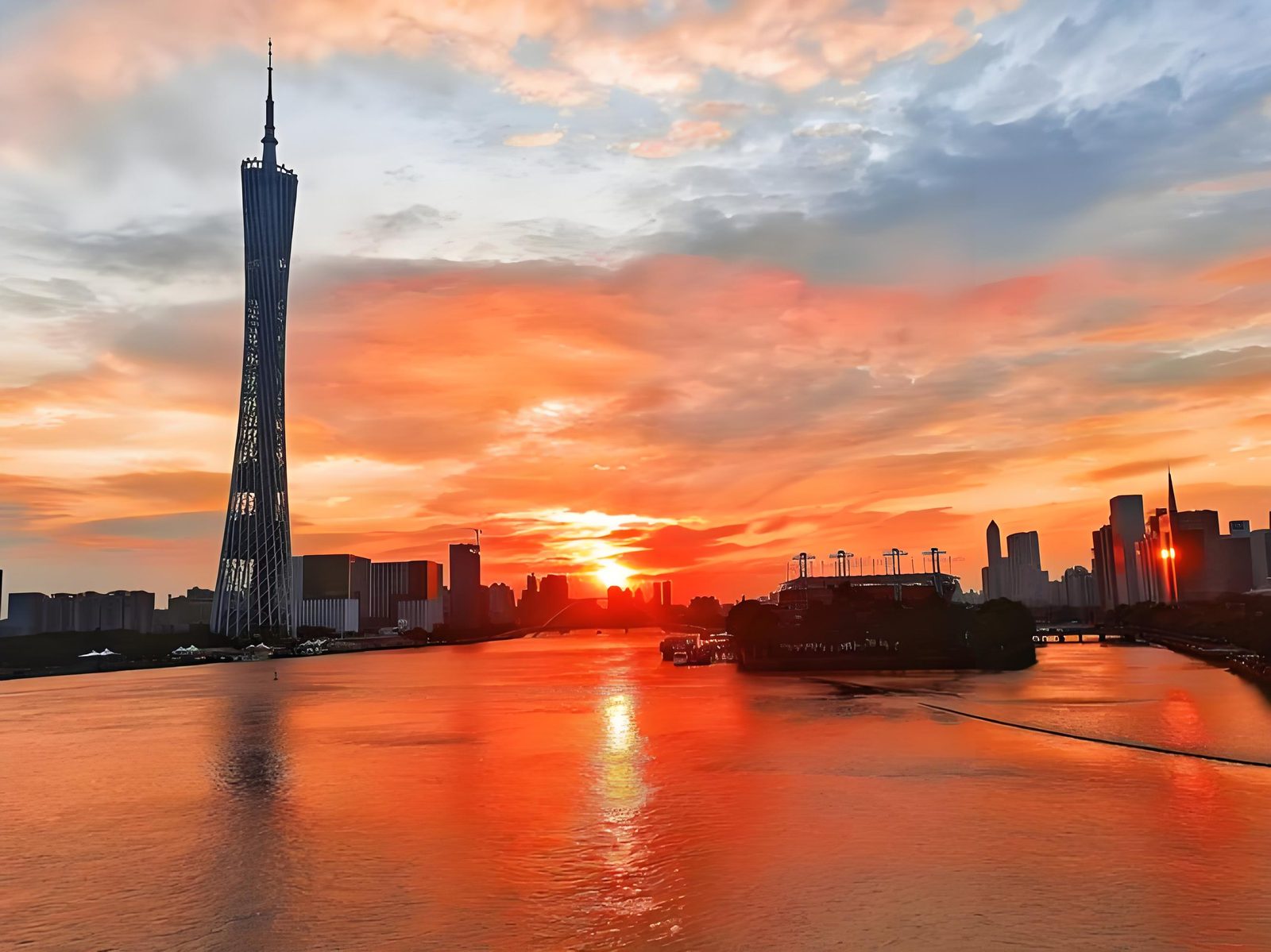
Most visitors go up Canton Tower after dark for the lights. The better call is a clear day and a late-afternoon arrival, so you're on the observation deck as the sun goes down and the city switches on around you. Two views, one ticket.
If you'd rather not go up, Haixinsha Park gives you the skyline from across the water for free. After dark it fills with locals out running and walking — the city being used rather than looked at.
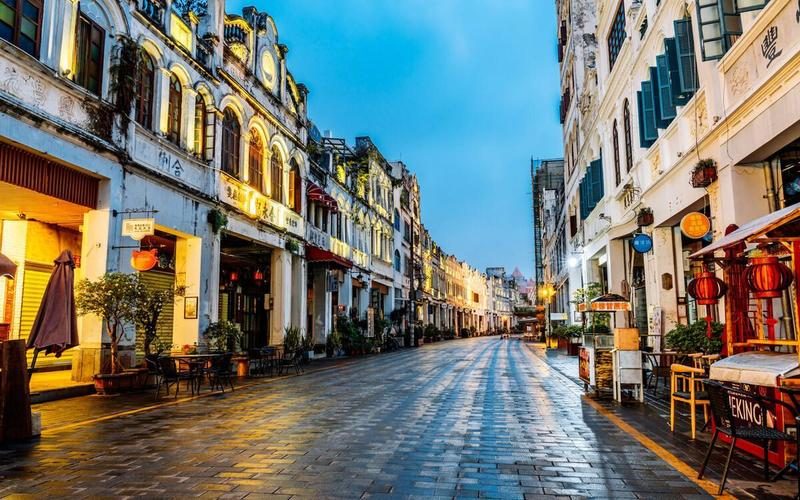
For the older city, walk Beijing Road and look at the qilou — arcaded shophouses with covered walkways at street level, a Cantonese building type carrying obvious European decorative influence. Walking underneath them is the point. Don't plan to eat there; it's a heavily visited shopping street and priced like one.
A note on where this comes from
These are local habits rather than tested procedures, so they don't carry the version numbers and screenshots our app testing pages do. What they carry instead is that someone who lives here wrote them, and left their name on it.
Opening hours, prices and which streets are worth walking all change. If something here is out of date, or if you found a tea house we should know about, tell us — we'll update the page and credit you.
Disclosure. OrienScope is a China travel app. No business here paid to appear on this page, and no link on it earns us a commission. If that ever changes, it will be stated on the page itself.